
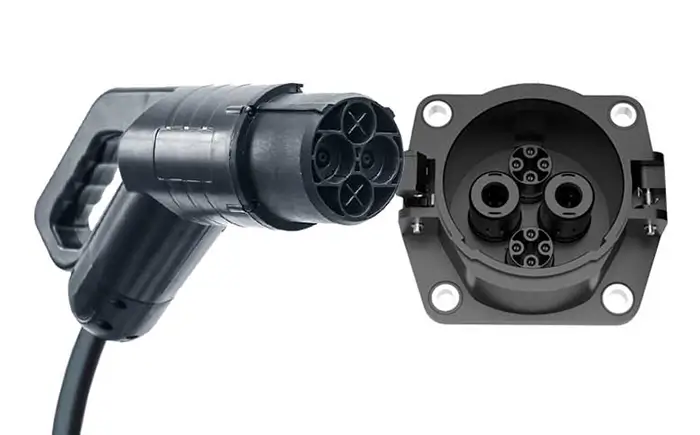
 Mixed charging networks need a connector strategy rather than a random list of plug types. Connector selection looks simple from a distance, but it can decide whether a charging site serves the intended vehicles from day one. A mismatch between plug type, region, and vehicle population can turn a technically capable charger into an underused asset.
the right choice depends on market, vehicle mix, upgrade path, and maintenance simplicity. Buyers should check which vehicles are common in the target market, which connectors local drivers expect, and whether future changes in standards may affect the site. For distributors, this also affects inventory planning and after-sales support, because the wrong connector mix can create unnecessary complexity across projects.
Project teams can use EVB’s guidance on EV charging connector standards as a practical reference when they need to match charger configuration with regional vehicles and deployment plans.
Beyond the connector name, buyers should review cable handling, rated current, communication compatibility, safety approvals, spare connector availability, and whether the charger can be configured for different regional requirements. A charger supplier that understands these details can help project teams avoid treating connector choice as an afterthought.
A stronger connector strategy is built around actual users. Site owners should map the vehicle mix, expected charging behavior, region, and long-term upgrade path before finalizing hardware. In many projects, the right connector decision is not the most fashionable one; it is the one that keeps the site practical, serviceable, and usable for the vehicles it was built to serve.
Mixed charging networks need a connector strategy rather than a random list of plug types. Connector selection looks simple from a distance, but it can decide whether a charging site serves the intended vehicles from day one. A mismatch between plug type, region, and vehicle population can turn a technically capable charger into an underused asset.
the right choice depends on market, vehicle mix, upgrade path, and maintenance simplicity. Buyers should check which vehicles are common in the target market, which connectors local drivers expect, and whether future changes in standards may affect the site. For distributors, this also affects inventory planning and after-sales support, because the wrong connector mix can create unnecessary complexity across projects.
Project teams can use EVB’s guidance on EV charging connector standards as a practical reference when they need to match charger configuration with regional vehicles and deployment plans.
Beyond the connector name, buyers should review cable handling, rated current, communication compatibility, safety approvals, spare connector availability, and whether the charger can be configured for different regional requirements. A charger supplier that understands these details can help project teams avoid treating connector choice as an afterthought.
A stronger connector strategy is built around actual users. Site owners should map the vehicle mix, expected charging behavior, region, and long-term upgrade path before finalizing hardware. In many projects, the right connector decision is not the most fashionable one; it is the one that keeps the site practical, serviceable, and usable for the vehicles it was built to serve.
Connector Strategy for Mixed EV Charging Networks
Mixed charging networks need a connector strategy rather than a random list of plug types. Connector selection looks simple from a distance, but it can decide whether a charging site serves the intended vehicles from day one. A mismatch between plug type, region, and vehicle population can turn a technically capable charger into an underused asset.
the right choice depends on market, vehicle mix, upgrade path, and maintenance simplicity. Buyers should check which vehicles are common in the target market, which connectors local drivers expect, and whether future changes in standards may affect the site. For distributors, this also affects inventory planning and after-sales support, because the wrong connector mix can create unnecessary complexity across projects.
Project teams can use EVB’s guidance on EV charging connector standards as a practical reference when they need to match charger configuration with regional vehicles and deployment plans.
Beyond the connector name, buyers should review cable handling, rated current, communication compatibility, safety approvals, spare connector availability, and whether the charger can be configured for different regional requirements. A charger supplier that understands these details can help project teams avoid treating connector choice as an afterthought.
A stronger connector strategy is built around actual users. Site owners should map the vehicle mix, expected charging behavior, region, and long-term upgrade path before finalizing hardware. In many projects, the right connector decision is not the most fashionable one; it is the one that keeps the site practical, serviceable, and usable for the vehicles it was built to serve.
Have a package in mind?
Share an Amazon link or product name — we'll quote it the same business day, no card required.